

In this video I will explain what ports you have on the backside of the Humminbird Solix SI Mega+. I also talk about NMEA 2000 and the backbone necessary to get it to work for you.
Understanding the Backside of the Humminbird Solix SI Mega+
In this video, I break down everything you need to know about the backside of the Humminbird Solix SI Mega+. As a professional fishing captain running trips on Puget Sound just minutes from Seattle, I rely on my electronics every day. Therefore, understanding your unit’s connections is critical for performance and reliability.
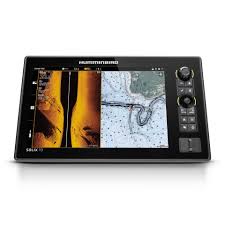
First, let’s look at the physical ports located on the backside of the Solix SI Mega+. You will find the main power connection, which supplies consistent voltage to the unit. Next, you will see the transducer port. This connection powers your MEGA Side Imaging and sonar features, so it must remain secure and corrosion free.
In addition, the Ethernet port allows you to network multiple Humminbird units together. Because many anglers run more than one graph, this feature helps you share waypoints, sonar data, and mapping instantly. As a result, your entire helm becomes a connected system rather than isolated screens.
Another important connection on the backside is the NMEA 2000 port. However, this port does not work on its own. Instead, you must install a proper NMEA 2000 backbone to unlock its full potential.
NMEA 2000 and the Backbone Explained
NMEA 2000 allows your electronics to communicate with other onboard systems. For example, you can share engine data, fuel flow information, GPS heading sensors, and more. Consequently, you gain a complete picture of your boat’s performance.
To make this work, you need a powered backbone system. The backbone acts as the main highway for data. Then, each device connects to it using a T-connector and drop cable. Without this structured backbone, the network will not function properly.
Moreover, proper termination resistors must be installed at both ends of the backbone. This step ensures stable data transmission across the entire system. If you skip this detail, communication errors can occur.
Because I fish Puget Sound year-round, I demand dependable electronics. Therefore, I install clean wiring, secure all connections, and test voltage before every season. When you understand the backside connections and set up your NMEA 2000 backbone correctly, your Solix becomes far more than a fish finder. Instead, it becomes the command center of your boat.
If you want reliable data and seamless integration, start by learning what is happening on the backside of your unit. It makes all the difference on the water.